
What is Magnesium blood test
The CPT Code 83735 measures the magnesium levels in the serum or plasma. Magnesium blood test measures the concentration of magnesium in the blood serum, in units mg/dL or mmol/L. Magnesium test is a common lab assay which helps find the electrolyte balance, heart and vascular health, kidneys, and metabolic functions. Magnesium test is vital for patients on diuretics, heart arrhythmias, and other chronic diseases like type 2 diabetes, Crohn’s and celiac diseases.
American Medical Association (AMA) has set a standard five-digit code CPT 83735 for magnesium test. The health provider futher evaluates it with clinical examination of the patient in follow-ups
Why is magnesium test needed
Magnesium is essential constituent of body which helps heart, brain, bones and nerves. Serum or plasma magnesium level finds the deficiency of magnesium or low magnesium in your body. Generally, low magnesium is more prevalent than high magnesium. Adequate levels of magnesium are vital for wellbeing.
What are the symptoms of low magnesium
Low magnesium, or hypomagnesemia (Cleveland clinic) can cause
- Muscle weakness, tetany like muscular spasms, cramps, numbness in hands and feet,
- Heart arrythmias
- Low calcium
- Low potassium
- Tremors
- Fatigue and weakness
- Seizures and delirium in acute stages
What are symptoms of high magnesium
High Magnesium (Hypermagnesemia) may cause (Healthline)
- diarrhea
- nausea
- abnormal heart beats
- low blood pressure
- respiratory problems
- stomach cramps
What patients may have low magnesium levels
It is studied that following disorders decrease magnesium in the body, according to Pubmed
- Gastrointestinal diseases like Crohn’s disease, celiac disease, chronic diarrhea
- Metabolic disorders like Type 2 diabetes, pancreatitis, alcohol use
- Kidney diseases like early kidney problems, Gitelman syndrome
What is the normal magnesium level
Serum Magnesium Level:
According to Pubmed
- 1.82 mg/dL to 2.3 mg/dL , for unit conversion into mmol/L you can use calculator below.
According to the Harvard health
- Normal Adult Range: 1.7 to 2.2 mg/dL
- Children Range: 1.7 to 2.1 mg/dL
- Newborns Range: 1.5 to 2.2 mg/dL
- Low Magnesium (adults): less than 1.6 mg/dL
- High magnesium / Toxicity (adults): greater than 2.6 mg/dL
- Dangerous Level: over 9.6 mg/dL can lead to paralysis and respiratory failure.
Normal Range of magnesium level RBC (Red Blood Cell):
- 4.2 mg/dL to 6.8 mg/dL, however, some experts suggest a range of 6.0 mg/dL to 6.8mg/dL

What are the types of magnesium level tests
Health practioner examines symptoms of clinical significance; may advise the magnesium blood test by assay of magnesium, serum, plasma or sometimes RBC to find the magnesium level. Furthermore, magnesium is also measured through urine samples to evaluate the excreted level of magnesium, electrolytic balance and also the kidney function.
The types of tests are as follows:
- Serum Magnesium Test (Blood) : measures amount of magnesium in blood samples.
- Red Blood Cell Test: measures the magnesium level inside the red blood cells, which can be more sensitive for detecting low levels.
- 24-Hour Urine Test: measures the amount of magnesium excreted in urine in 24 hours.
How to convert units of magnesiuml level (mg/dL into mmol/L)
(mg/dL ↔ mmol/L)
Note: Calculations are rounded to 2 decimal places.
How much magnesium per day
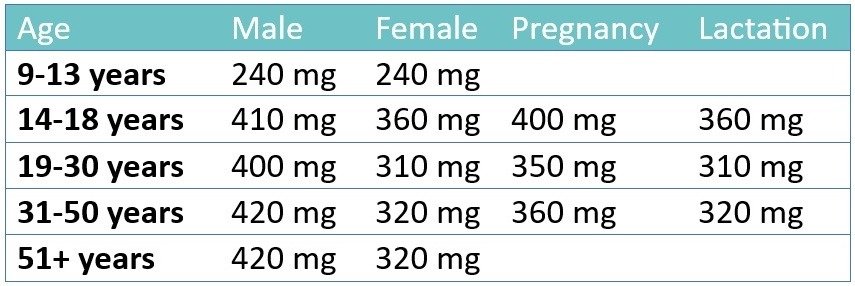
The RDI (Recommended Daily Intake) of magnesium supplement according to NIH (click here) is in the following table (it is intake of magnesium combined from both food and the supplements). You can also calculate it on a magnesium RDA calculator click here
What is the daily upper limit of magnesium supplements
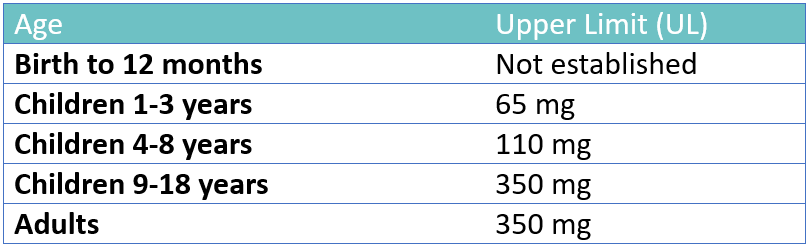
According to NIH the upper limit (UL) is the maximum value of magnesium supplement intake from medications; it excludes the magnesium intake from foods and beverages. This dose is generally tolerable for most of the individuals; however, it may vary for some. Higher than this dose is not recommended, unless advised by a health care professional.
It looks like the recommended magnesium intake is a higher value, as compared to the upper limit values. Yes, it is true, this difference is appearing because the magnesium from natural food sources is not added here. The recommended dietary intake table gives a combined daily value from both food and supplements.
FAQs
Why do I need magnesium blood test?
Magnesium blood test checks the level of magnesium for either too low or too high in your body
What are the first signs of low magnesium?
Early signs of low magnesium may include weakness, fatigue, muscle cramps / spasms, twitches and loss of appetite
What are the signs of high magnesium?
The early signs of high magnesium may include diarrhea, nausea and stomach cramping
Which organ is most affected by magnesium?
Heart and kidneys are most affected by magnesium
Read More
What blood test shows magnesium levels?
There are two different types of blood tests to find the magnesium levels and the third test is 24 hour urine test
1. Serum Magnesium Test (Blood) : to measure amount of magnesium in blood samples.
2. Red Blood Cell Test: measures the magnesium level inside the red blood cells, which can be more sensitive for detecting low levels.
3. 24-Hour Urine Test: measures the amount of magnesium excreted in urine in 24 hours.
Is magnesium level included in CBC (complete blood count) ?
No magnesium testing is not part of complete blood count (CBC)
How do I check magnesium level in home?
Magnesium test cannot be accurately taken at home. It needs proper trained staff to draw the serum and perform it as per set procedure
What drink is high on magnesium?
Blackstrap molasses drink (100mg in 1 table spoon), Hot Cacao powder drink (80mg in 2 tablespoons), Soy milk, coconut water and mineral water
Which fruit has more magnesium?
Avocados (44mg per cup), bananas (32mg per medium fruit), papaya (33mg per small fruit), blackberries (29mg per cup), Raspberries (22mg per 100 gms), kiwi (17mg per 100gms)
What is the cost of the test?
Cost of the serum magnesium level test in US is from roughly $28 to $39, it varies at different labs, walk-in customers pay a little more, on discount Labcorp cost is $29.25, and undiscounted one is at $39
How is magnesium listed on a blood test?
Magnesium, Serum or simply Mg
Magnesium, RBC (for cellular magnesium) or Mg-RBC